The Building Safety Act introduces a new regulatory framework that affects the design, construction, and ongoing management of residential buildings. The most significant changes fall into four broad areas.

COMPLIANCE GUIDE
The Building Safety Act 2022 is the most significant piece of building safety legislation in a generation. It was introduced in response to the Grenfell Tower tragedy of 2017, and its provisions are designed to ensure that residential buildings are designed, constructed, and managed safely throughout their lifecycle.
While the Act's most substantial requirements apply to higher-risk buildings (those over 18 metres or seven storeys), it also introduces changes that affect all residential blocks of flats in England — including new fire safety duties, enhanced leaseholder protections, and stricter responsibilities for those who manage and maintain residential buildings.
This guide explains the key provisions of the Act, who is affected, and what RMC directors and leaseholders need to understand about their evolving obligations.
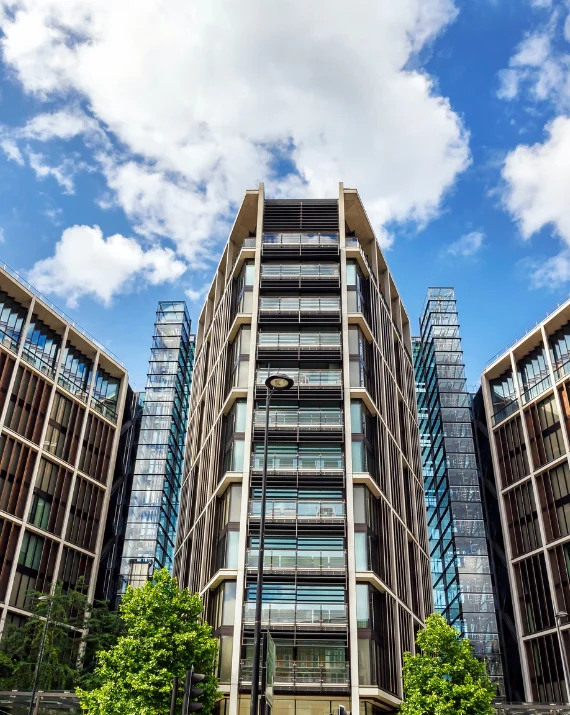
The Building Safety Act introduces a new regulatory framework that affects the design, construction, and ongoing management of residential buildings. The most significant changes fall into four broad areas.
A new regulator within the Health and Safety Executive oversees building safety for higher-risk buildings, with powers to enforce compliance and hold duty-holders to account.
A defined "Accountable Person" must be identified for each higher-risk building, with statutory duties to assess and manage building safety risks.
Higher-risk buildings must maintain a comprehensive, up-to-date record of building information — design, construction, and safety data — throughout the building's life.
New protections limit the costs that qualifying leaseholders must pay towards remediation of historical building safety defects, including cladding and fire safety works.
The Act's most stringent requirements apply to "higher-risk buildings" — defined as residential buildings that are at least 18 metres in height or have at least seven storeys, and contain at least two residential units.
For these buildings, the Act introduces a mandatory registration requirement with the Building Safety Regulator. The Accountable Person (typically the freeholder or, in some structures, the RMC) must register the building, assess building safety risks, and prepare a safety case report demonstrating how those risks are being managed.
The Accountable Person for a higher-risk building has a statutory duty to assess building safety risks and take all reasonable steps to prevent the occurrence of a major incident. This is a significant legal obligation with potential criminal sanctions for non-compliance.
The Accountable Person must also appoint a Building Safety Manager — a competent individual or organisation responsible for the day-to-day management of building safety. In many cases, this role will be fulfilled by the managing agent, provided they have the necessary competence and resources.
Even if your building falls below the 18-metre threshold, the Building Safety Act still introduces changes that affect how it is managed.
The Fire Safety (England) Regulations 2022, which complement the Building Safety Act, require the "responsible person" for all multi-occupied residential buildings to take additional steps. These include sharing fire safety information with residents, providing floor plans to the fire service, checking flat entrance doors, and ensuring fire safety information is displayed in communal areas.
For buildings with storeys over 11 metres in height, additional requirements include installing wayfinding signage for the fire service, providing secure information boxes containing building plans, and undertaking regular checks of lifts and other fire-fighting equipment where present.
The Act introduces protections for qualifying leaseholders in buildings over 11 metres (or at least five storeys) regarding the cost of remediating historical building safety defects. In many cases, the costs of cladding remediation and associated fire safety works cannot be passed to qualifying leaseholders if the building owner or developer meets certain criteria.
The evolving requirements of the Building Safety Act mean that RMC directors need to understand their building's position and ensure their managing agent is actively addressing compliance. The following steps provide a practical starting point.
COMMON QUESTIONS
Book a free consultation and we will assess your building's compliance position, identify any gaps, and explain how Pearl can support your board through the evolving regulatory requirements.
Book a Free ConsultationOr call us: 0208 087 1927