
Mon – Fri 9am – 5pm

Right to Manage: A Complete Guide for Leaseholders

Everything you need to know about exercising your Right to Manage, from eligibility and company formation to the claim process and what happens next.

FREE GUIDE

What is the Right to Manage?

The Right to Manage (RTM) is a statutory right under the Commonhold and Leasehold Reform Act 2002 that allows qualifying leaseholders to take over the management of their building without having to prove any fault on the part of the landlord or existing managing agent.

It is one of the most significant pieces of leasehold legislation in England and Wales, and it gives leaseholders genuine control over how their building is managed, who manages it, and how service charge funds are spent.

Despite being available for over two decades, many leaseholders remain unaware of their rights under the Act. This guide provides a clear, step-by-step explanation of how the RTM process works, who qualifies, what it costs, and what to expect at each stage.

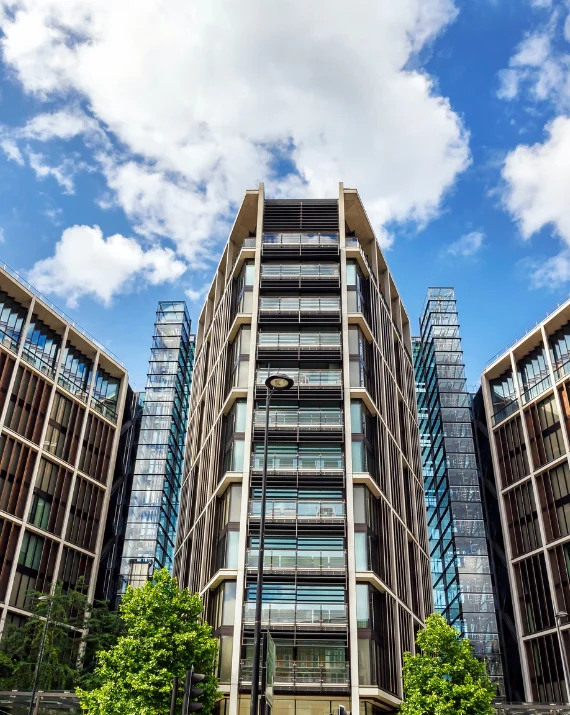
Residential block of flats managed under the Right to Manage

Does Your Block Qualify?

Not every residential building is eligible for the Right to Manage. The legislation sets out specific criteria that must be met before a valid RTM claim can be made.

To qualify, your building must be a self-contained building or part of a building. It must contain at least two flats held by qualifying tenants on long leases (typically leases originally granted for more than 21 years). At least two-thirds of the total number of flats in the building must be held by qualifying tenants.

The participation requirement is separate from the qualification requirement. To make a valid claim, the number of qualifying tenants who are members of the RTM company must be at least half the total number of flats in the building. For example, in a block of 20 flats, you would need at least 10 qualifying tenants to join the RTM company.

There are exclusions. Buildings where more than 25% of the internal floor area (excluding common parts) is used for non-residential purposes are not eligible. Buildings with a resident landlord and no more than four units are also excluded.

If you are unsure whether your building qualifies, a managing agent experienced in RTM matters can carry out an eligibility assessment. Pearl Property Partners offers this as part of a free consultation.

Forming an RTM Company

Before a claim notice can be served, you must first incorporate an RTM company. This is a private company limited by guarantee, set up specifically for the purpose of acquiring and exercising the Right to Manage your building.

The RTM company must be registered at Companies House with articles of association that comply with the RTM Companies (Model Articles) Regulations. Any qualifying tenant in the building is entitled to become a member of the RTM company, and membership cannot be denied to anyone who meets the criteria.

The company will need directors. In practice, this usually means a small number of participating leaseholders who are willing to serve on the board. The RTM company then appoints a managing agent to handle the day-to-day management of the building on its behalf.

The RTM company does not need to be established by a solicitor. However, it is important that the articles of association are correct. Errors in the company formation can provide grounds for the landlord to challenge the claim.

The Claim Process

Once the RTM company is formed and has sufficient members, the formal claim process can begin. There are specific notices that must be served in the correct order and within prescribed timescales.

  1. Notice of Invitation to Participate
    Before serving the claim notice, the RTM company must give notice to all qualifying tenants who are not yet members, inviting them to join. This notice must be given at least 14 days before the claim notice is served.
  2. Claim Notice
    The formal RTM claim notice is served on the landlord (and any party to the lease who is the manager). It must specify the date on which the RTM company intends to acquire the right to manage, which must be at least three months after the date the claim notice is given.
  3. Counter-Notice
    The landlord has one month from the date of the claim notice to serve a counter-notice. If the landlord does not serve a counter-notice, the RTM company acquires the right to manage on the date specified. If the landlord disputes the claim, the matter is referred to the First-tier Tribunal (Property Chamber).
  4. Determination (If Disputed)
    If the landlord serves a counter-notice alleging that the claim is invalid, the RTM company can apply to the Tribunal for a determination. The Tribunal will assess whether the eligibility and procedural requirements have been met. If the Tribunal finds in favour of the RTM company, the right to manage is acquired.
  5. Management Transfer
    On the acquisition date, management responsibilities transfer from the landlord (or their appointed agent) to the RTM company. The RTM company then appoints its chosen managing agent, and the handover of documents, contracts, funds, and operational information takes place.

Costs Involved

The RTM process involves several costs that participating leaseholders should be aware of before proceeding.

Company Formation

Incorporating the RTM company at Companies House typically costs between £12 and £50, depending on the method of incorporation. If a solicitor or specialist RTM advisor prepares the articles of association, their fees will be additional.

Legal and Advisory Fees

While it is possible to manage the RTM process without a solicitor, many blocks choose to instruct one, particularly for the claim notice stage. Legal fees typically range from £500 to £2,000, depending on the complexity of the building and whether the landlord disputes the claim.

Tribunal Costs (If Disputed)

If the claim is referred to the First-tier Tribunal, there is a modest application fee. Each party generally bears its own costs at the Tribunal, meaning the RTM company is not normally liable for the landlord's legal fees even if the claim is unsuccessful.

Landlord's Reasonable Costs

Under the legislation, the RTM company is required to pay the landlord's reasonable costs incurred in connection with the RTM claim. These costs are limited to those arising from the claim itself and do not extend to the landlord's costs of managing the building after the transfer.

Common Pitfalls to Avoid

RTM claims can fail on procedural grounds. The following are among the most common mistakes that lead to claims being challenged or invalidated.

  • Incorrect articles of association — the RTM company's articles must comply with the prescribed model. Non-compliant articles can invalidate the claim.
  • Insufficient members — failing to recruit enough qualifying tenants to the RTM company before serving the claim notice.
  • Notice errors — serving the invitation to participate or the claim notice on the wrong parties, at the wrong addresses, or without the correct statutory information.
  • Timing errors — not allowing the required 14 days between the invitation to participate and the claim notice, or specifying an acquisition date that is too early.
  • Building eligibility overlooked — proceeding without confirming that the building meets the 25% non-residential test or the qualifying tenant requirements.

PEARL & RTM

How Pearl Supports RTM Companies

Pearl Property Partners works with RTM companies across London and the Home Counties. We can guide you through the RTM process and provide the full range of block management services once your RTM company is in place.

Eligibility Assessment

Dedicated Partner

Full Management Services

Book a Free Consultation

We'll assess your building's eligibility and explain your options at no cost.

COMMON QUESTIONS

Frequently Asked Questions

Does our block qualify for Right to Manage?
Most blocks of flats with long leases qualify. The building must contain at least two flats held by qualifying tenants, and at least two-thirds of the total flats must be held by qualifying tenants. Buildings where more than 25% of internal floor area is non-residential are excluded.
Do we need to prove the current management is inadequate?
No. The Right to Manage is a no-fault right. You do not need to demonstrate any failure or shortcoming on the part of the landlord or existing managing agent. The right exists regardless of the quality of current management.
How long does the RTM process take?
The process typically takes three to six months from forming the RTM company to the management transfer date. Timescales vary depending on the time needed to recruit members and whether the landlord disputes the claim.
What does RTM cost?
The main costs are company formation (£12–£50), legal or advisory fees if instructed (typically £500–£2,000), and the landlord's reasonable costs related to the claim. If the claim is disputed and referred to the Tribunal, there is a modest application fee. Each party usually bears its own Tribunal costs.
Can the landlord block our RTM claim?
The landlord can serve a counter-notice disputing the claim on specific grounds, such as building eligibility or procedural defects. However, the landlord cannot simply refuse the RTM. If the claim is valid and the process has been followed correctly, the right is acquired regardless of the landlord's preference.

Considering the Right to Manage?

Book a free consultation with one of our Partners. We will assess your building's eligibility, explain the process in detail, and answer any questions your board may have.

Book a Free Consultation

Or call us: 0208 087 1927